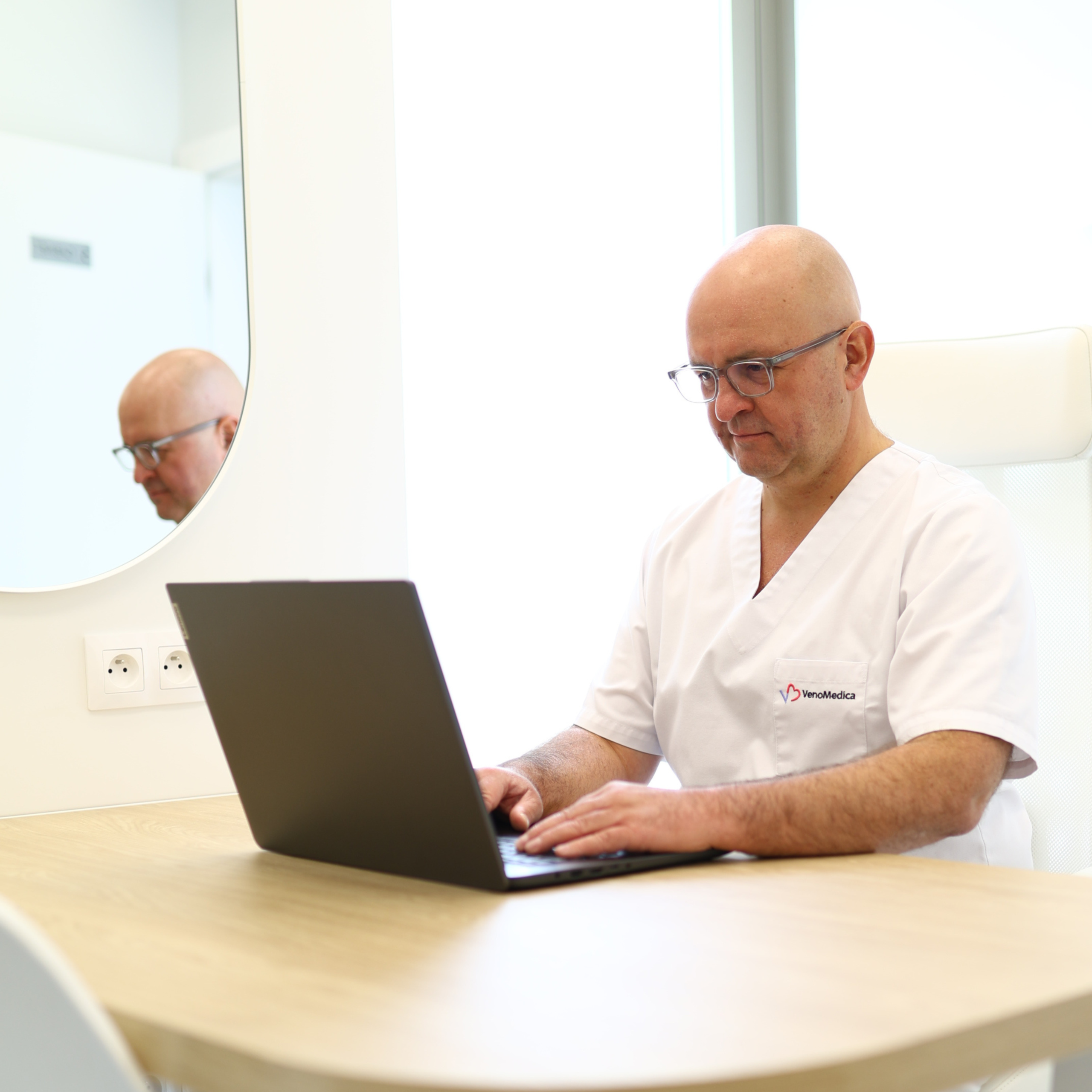


The 5th International Pilonidal Conference
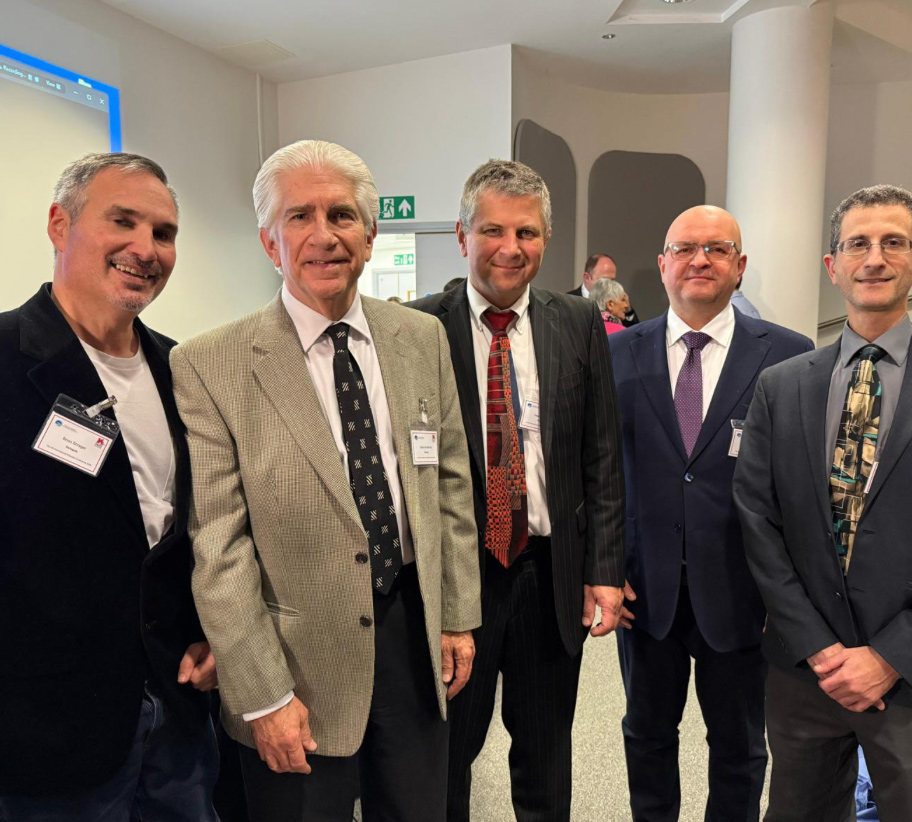
On december 5, Dr. Norbert Zapotoczny participated in the 5th International Pilonidal Conference, organized in London by the International Pilonidal Society.
During the event, participants had the opportunity to exchange experiences and insights with leading specialists from around the world.
Such conferences not only broaden professional horizons but also enable participants to view their daily clinical practice from an entirely new perspective.
It was a highly rewarding time filled with inspiring discussions, including those with Dr Steven Immerman and Richard Daniels from the Evergreen Surgical Pilonidal Clinic in Wisconsin, Dr Peter Wysocki from Australia, Dr Brian Shrager and Benjamin Miller from the Pilonidal Treatment Centre of New Jersey, and Dr Thomas Bascom.


Author: webgo
Date: 2025-12-16
Why does the wound after Bascom Cleft Liftheal faster than after SiLaT?
The healing time of a wound and the recovery process are among the key concerns patients consider when planning treatment for a pilonidal cyst. Procedures performed at Pilonidal Clinic fall into the category of minimally invasive surgeries, even though the Bascom Cleft Lift involves excising a flap of skin along with the cyst, while the SiLaT method involves cleaning the cyst cavity and cauterizing its interior through small skin openings.Both procedures are performed under the same tumescent anesthesia.
Aside from the moment of administering the anesthesia, patients typically experience no pain, only sensations of pulling or pressure. After both procedures, patients can immediately walk, sit, drive, and sleep on their backs. Starting the next day, they can shower without a dressing.
In the SiLaT laser treatment, small openings remain visible on the skin, but beneath the surface, a large cavity is left after the cyst walls are removed. This cavity takes approximately 4–6 weeks to close. During healing, patients can engage in normal daily activities with minimal discomfort. However, serous fluid collects in the wound and seeps through the openings, soaking into the dressing. The skin openings close only once the cavity from the removed cyst has fully healed.
In contrast, the Bascom Cleft Lift procedure involves removing a thin flap of skin, about 5–8 mm thick, along with the pilonidal cyst, while preserving the remaining subcutaneous tissue. The wound is closed tightly in layers, leaving no open space or significant tension, allowing the tissues to connect and heal quickly—typically within 2–3 weeks. A suction drain is placed during the procedure, which removes any serous fluid that may accumulate in the wound into an external container. This keeps the dressing dry, promotes faster healing, and significantly reduces the risk of infection.
The risk of bleeding in both methods is minimal due to the use of adrenaline, a vasoconstrictor administered with the anesthesia, which constricts nearby blood vessels.
In summary, both methods involve a wound that must heal. In SiLaT, this is an internal wound left after the cyst is removed through small skin openings. In Bascom Cleft Lift, the wound results from the excision of a skin flap and is covered with a flap from the opposite side. The key difference is that SiLaT leaves an open space beneath the skin, which prolongs healing time. In contrast, the Bascom Cleft Lift wound is tightly sutured without leaving open space, allowing the tissues to connect and heal more quickly.
Author: webgo
Date: 2025-08-12
What to do about a Pilonidal Cyst before seeing a Doctor?
A pilonidal cyst, at any stage, can bring pain and discomfort that disrupt daily life. At first, the pain might be mild and occasional, but as inflammation grows, it can become more persistent and bothersome. In advanced cases, the discomfort may be constant, worsening with pressure or movement.
If the issue is recent and you’re waiting for a doctor’s appointment, here are some simple steps you can take at home to ease the discomfort until you get professional care.
1. Keep It Clean
Warm water is your friend. Apply a warm, damp towel to the cyst (often near the buttock crease) for a few minutes to soothe pain and keep the area clean. Add a bit of gentle, unscented soap if needed, then pat the skin dry gently. Avoid rubbing or scrubbing—it could make the irritation worse.
2. Wear Comfortable Clothes
Choose loose, breathable clothing made from natural fabrics like cotton. Tight pants or synthetic materials can press against the cyst and increase discomfort. Less pressure means more relief.
3. Stay active
Sitting for long stretches can aggravate a cyst. Take breaks to stand, stretch, or walk briefly. Light movement can ease tension in the buttock muscles and may reduce pain.
4. Ease the Pain
If the discomfort gets too much, try ibuprofen or acetaminophen. These over-the-counter options can relieve pain and reduce inflammation—just follow the dosage instructions on the label.
5. Watch for Warning Signs
Monitor your symptoms closely. If the skin around the cyst feels hot, swelling worsens, or you develop a fever, don’t wait—contact a doctor right away.
This Is Temporary Relief
These steps can help manage pain or swelling and keep you comfortable until your appointment, but they won’t cure the cyst. Warm compresses, pain relievers, and good hygiene are only stopgaps—they can’t eliminate the problem or stop it from progressing.
Why See a Doctor?
A pilonidal cyst, especially as it worsens, needs professional care. A doctor can decide the next steps, whether that’s draining an abscess, prescribing antibiotics, or recommending surgery. The sooner you address it, the better—don’t let it spiral out of control!