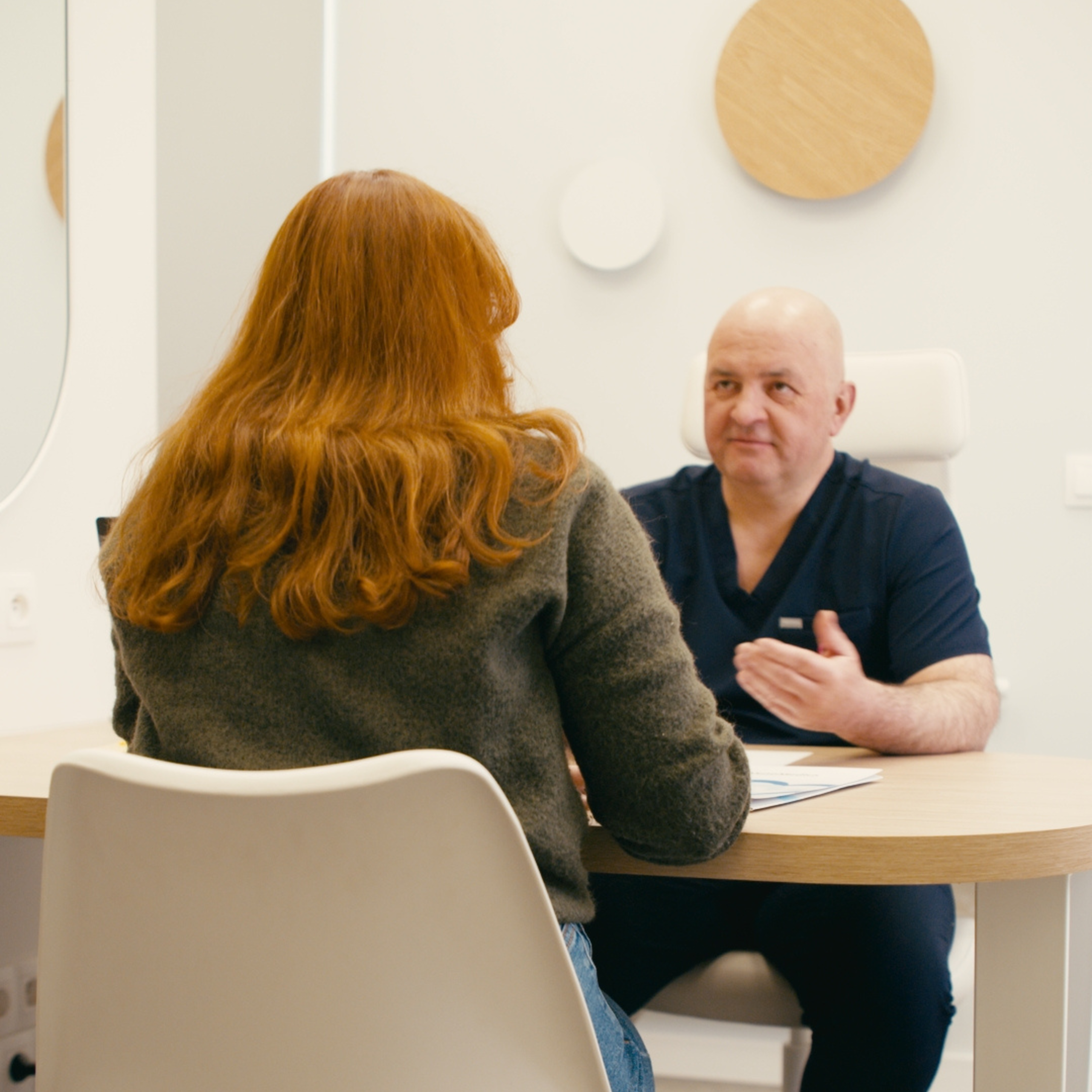


History of a patient with a pilonidal cyst
One of our patients shared his story of battling pilonidal cyst on Reddit. It’s a moving account of many years of pain, uncertainty, and waiting for effective treatment. His experience shows how much of a difference honest communication with the patient, a correct diagnosis, and specialized treatment can make. His story is far from unique. Many patients come to us after years of unsuccessful treatments, often feeling they have already exhausted all possible options.
Author: OPuchalaAdmin
Date: 2026-01-09
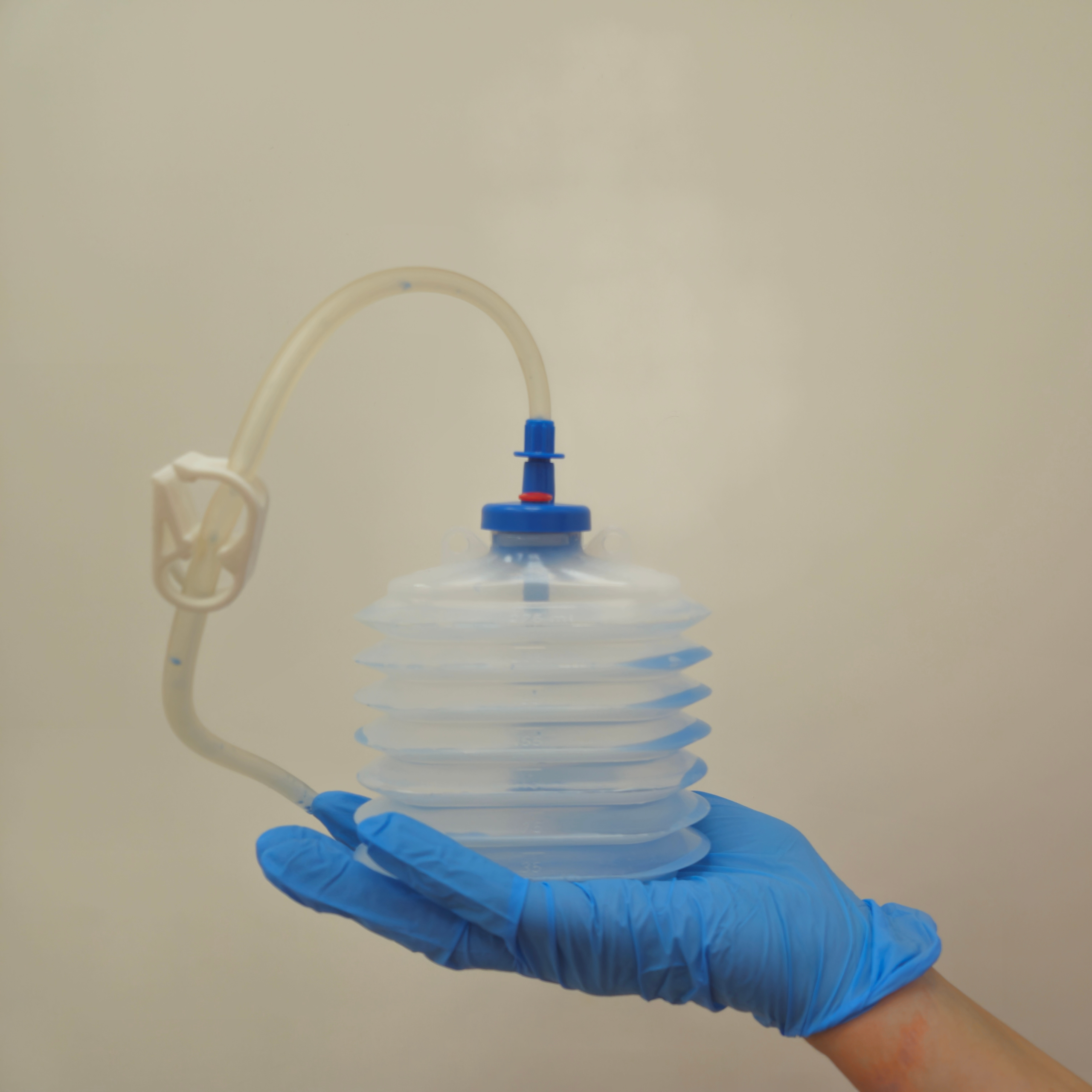
How to empty a Redon bottle?
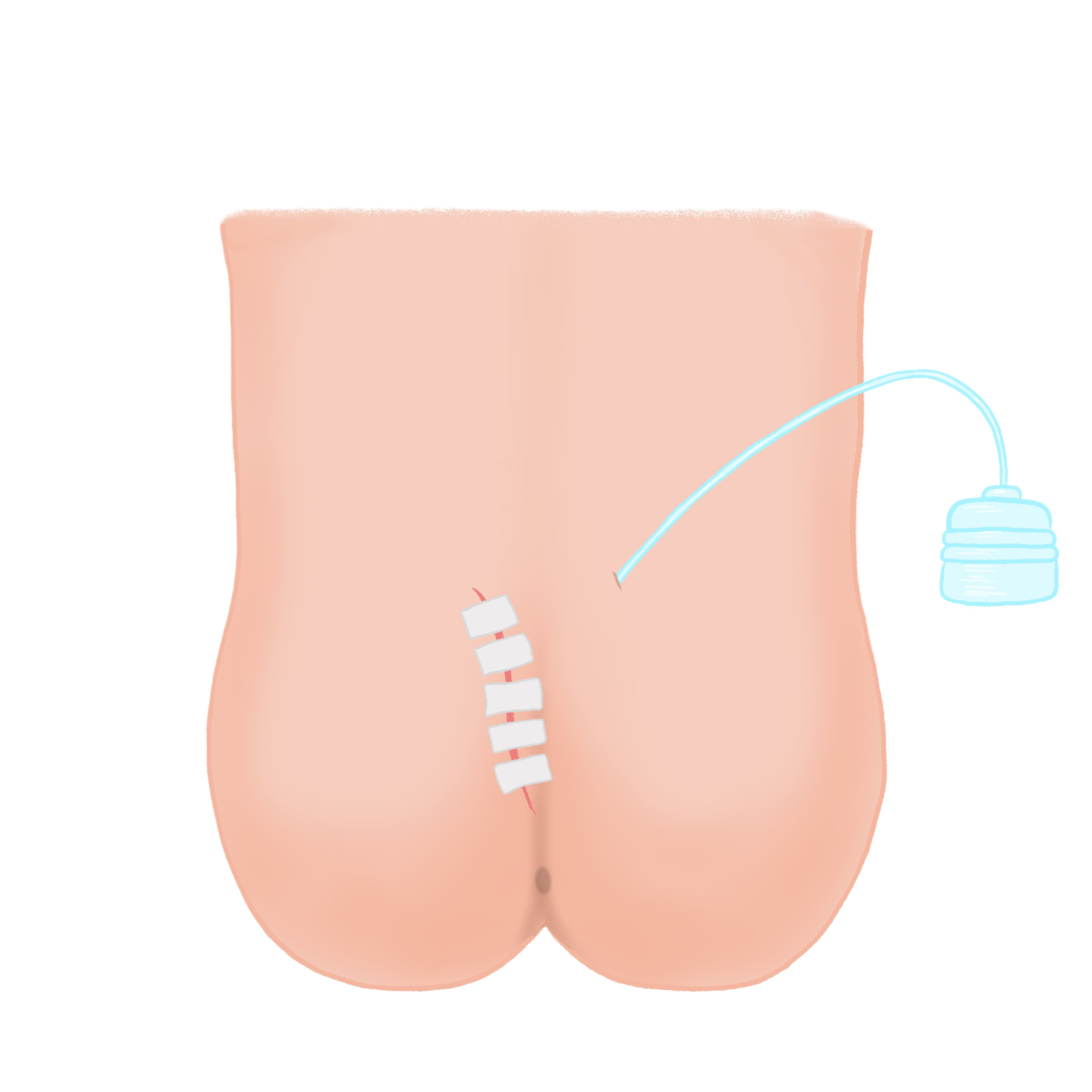
Empty the drain bottle every day and measure the volume od the discharge from the wound.
Remove the drain when the volume of the fluid dalls below 20 mL/day.
A tutorial on how to remove the drain can be found here.
VIDEO AVAILABLE WITH ENGLISH SUBTITLES!
Author: OPuchalaAdmin
Date: 2023-11-28
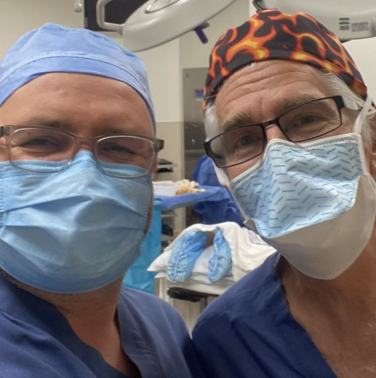
Evergreen Pilonidal Clinic – international cooperationwith dr Immermanem
Dr. Norbert Zapotoczny, at the invitation of Dr. Steven Immerman, visited the Evergreen Surgical Pilonidal Clinic in Eau Claire, Wisconsin, On March 19-22 2024, where he perfected his technique of performing the Bascom Cleft Lift method.
Dr. Steven Immerman has been treating hair cysts for 30 years and is considered one of the most experienced Bascom Cleft Lift surgeons in the world. He sits on the board of the International Pilonidal Society, dedicated to education about pilonidal cysts. Dr. Norbert Zapotoczny has been a member of the society since 2019.
Thanks to the possibility of performing procedures in the company of such an outstanding surgeon, we know that our Pilonidal Clinic maintains a world-class level health service provision.

Author: OPuchalaAdmin
Date: 2023-04-07
Your diet after Bascom Cleft Lift
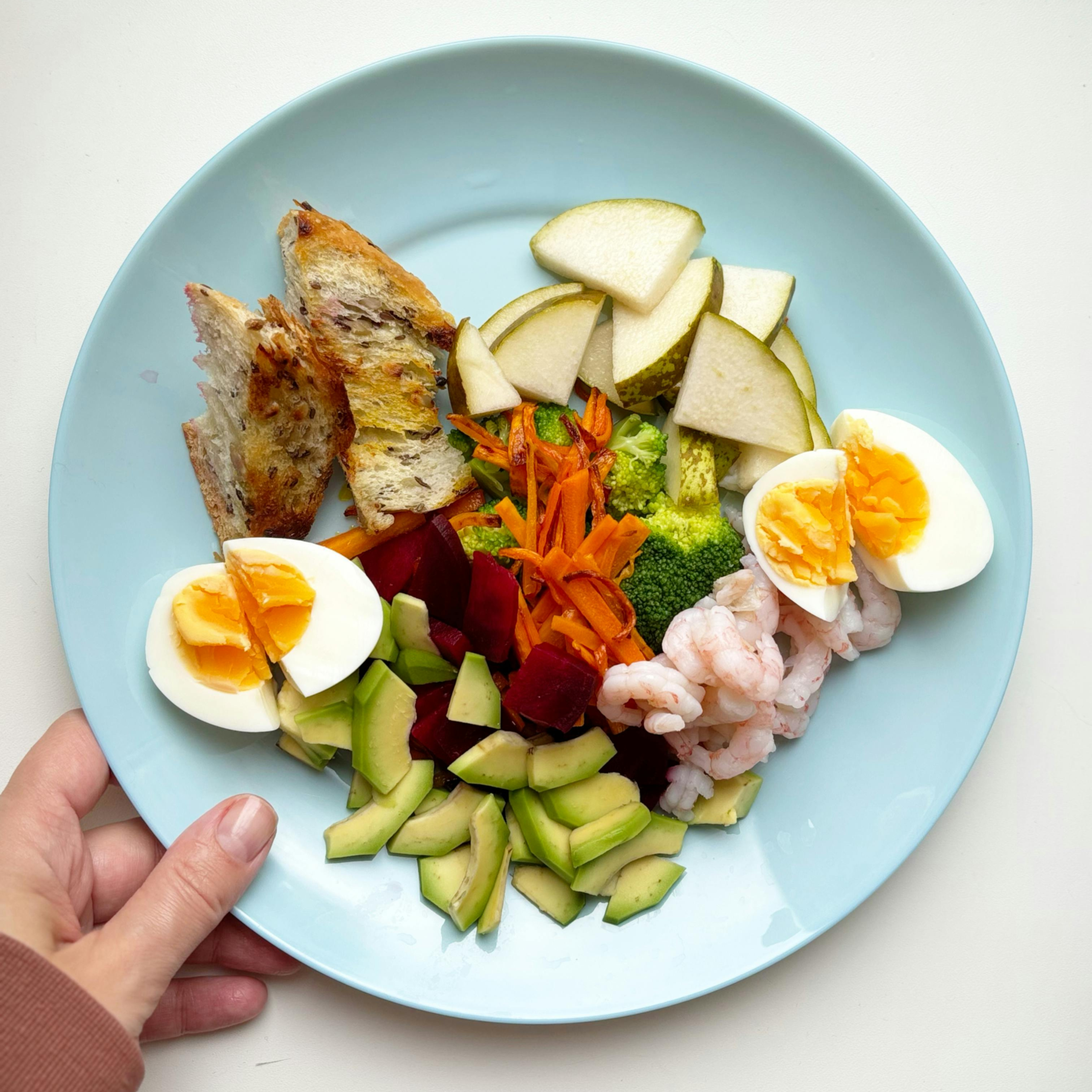
Proper nutrition is very important during recovery after pilonidal cyst surgery. Adequate supply of protein, healthy fats, and vitamins fosters recovery and decreases the risk of complications.
Protein
While preparing meals, pay attention to the amount of protein, as it is the building material of our bodies and without it regeneration processes are impossible. Protein rich foods include meat, fish, and legumes. The demand for protein is calculated based on many factors, e.g. age, body weight, health status, and patient activity. It is assumed that average protein intake should be 0.8–1 gram per kilogram of body weight.
Simple carbohydrates
For a few weeks after the Bascom Cleft Lift procedure it is recommended to avoid intense exercise and activities that could cause wound dehiscence. Limited physical activity decreases the daily caloric requirement, and therefore during the recovery process it is advised to limit the amount of simple carbohydrates. White bread and processed foods, such as cookies, contain a large amount of sugars and are not beneficial for health.
Vitamins and supplements
The quality of foods that are currently available as well as cooking cause deficiencies of vitamins and micro and macro-elements even with balanced diets. Even though mild vitamin deficiencies often remain unnoticed, they may influence the duration and course of recovery and postsurgical wound healing. Prior to the procedure of shallowing the intergluteal cleft and for 6 weeks after the procedure, the following supplements are recommended:
Vitamin A – 1000 IU/day
Vitamin C – between 1000 and 2000 mg/day
Zinc – 15 mg/day
Magnesium – between 120 and 250 mg/day
Arginine – 3000 mg/day
Glutamine – 3000 mg/day
Glucosamine – 300 mg/day
Vitamin D3 – 5000 IU/day
Vitamin K2 – 100 µg/day
Vitamin A, D and K belong to the group of fat-soluble vitamins. To make sure they absorb well, it is recommended to enrich the diet with good quality oils containing unsaturated fatty acids, e.g. colza oil or linseed oil.
Probiotics
Following the Bascom Cleft Lift oral antibiotics are used to prevent infection. Antibiotics, which are meant to eliminate pathogenic bacteria, also influence natural intestinal microflora and thus it is recommended to use probiotics not only during antibiotic therapy, but also for several months after its discontinuation.
Due to the location of the pilonidal cyst inside the intergluteal cleft, the recovery after Bascom Cleft Lift requires maximum support in terms of wound care and body nutrition. Adequate hydration, balanced diet rich in protein and fresh vegetables as well as adequate supplementation foster the regeneration processes and effective postsurgical wound healing.
Author: OPuchalaAdmin
Date: 2023-04-05
Pilonidal cyst – where does it come from and how can you treat it?
If you suspect that you might be suffering from a pilonidal cyst, have been diagnosed with pilonidal cyst, or you have been qualified for a procedure, we encourage you to watch the video that can serve as a compendium of information on the condition. This video covers the following topics:
What is a pilonidal Cyst?
Why does it develop? Why does it develop? How is it diagnosed?
How to treat pilonidal cysts?
What are the available methods of treatment of the pilonidal disease? How do the procedures differ?
How do we treat pilonidal cysts at the pilonidal Clinic?
What does laser ablation of the pilonidal cyst (SiLaT) involve? What does the intergluteal cleft shallowing procedure (Bascom Cleft Lift) involve?
The most important facts on recovery
What does recovery look like? How long does the wound heal? When to come for a follow-up visit?
We hope that the information presented in the video fully answers the questions that our patients might have. For more information, please contact us!
VIDEO AVAILABLE WITH ENGLISH SUBTITLES! Please turn on subtitles.
Author: OPuchalaAdmin
Date:
Drain removal – instruction video
The removal of drain after Bascom Cleft Lift can easily be done by the patients themselves. However, this procedure causes many concerns and doubts among patients and therefore we have prepared an instruction video.
Before proceeding to remove the drain, wash and disinfect your hands. There is no need to use disposable gloves. Prepare a wound disinfectant, 10×10 cm gauze compresses and a sterile band-aid.
Remove the drain when the volume of the fluid inside the bottle falls below 20 mL/day.
VIDEO AVAILABLE WITH ENGLISH SUBTITLES!
Author: OPuchalaAdmin
Date: 2021-07-28
Dressing change – instruction video
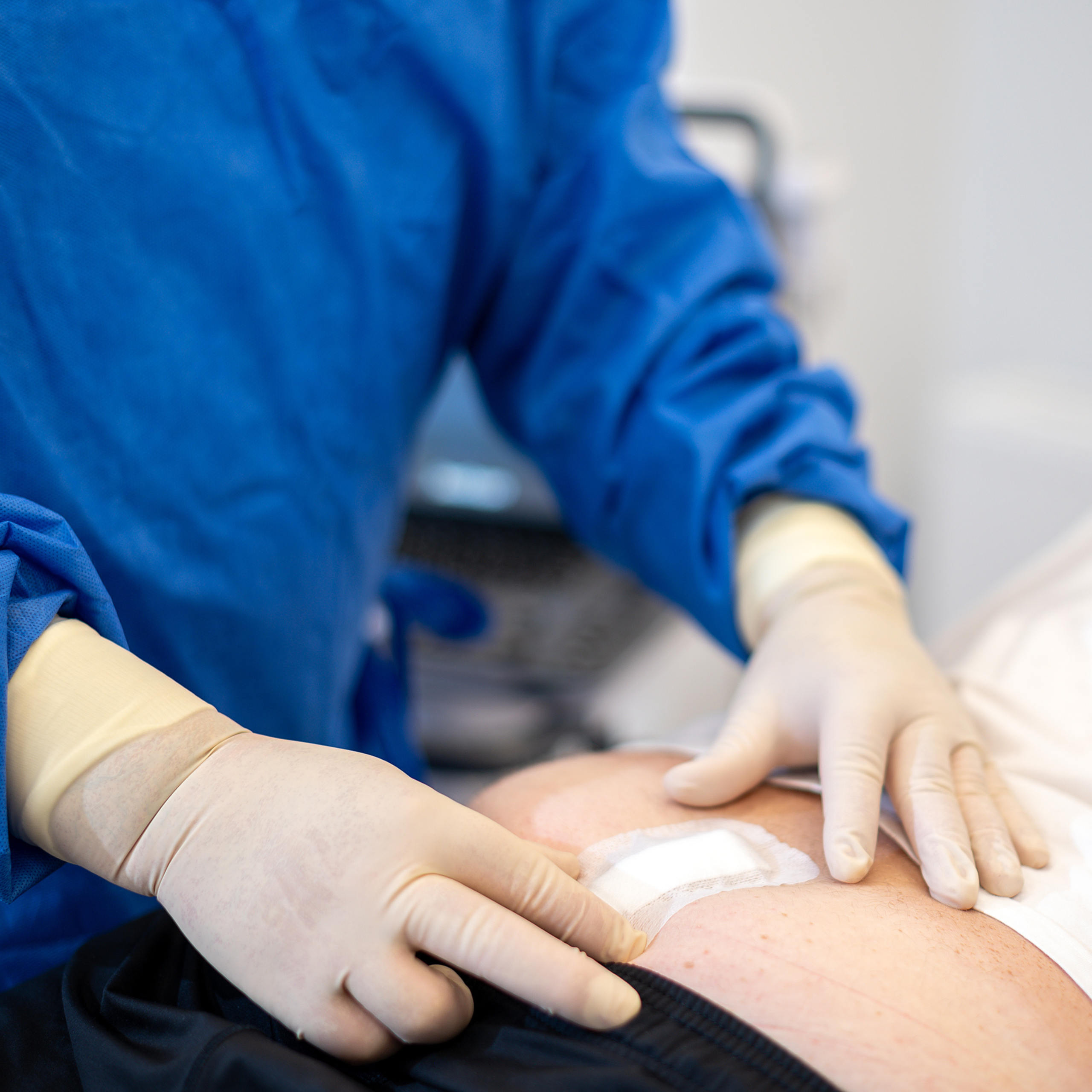
The daily care for the postsurgical wound and the changing of dressings are important elements of the recovery process. Even though these activities are not complicated and can easily be conducted by patients themselves, they cause many concerns regarding their proper performance.
Several principles should be adhered to while caring for the wound:
- Change wound dressings and disinfect the wound every day.
- Before you change the dressing, wash and disinfect your hands. You do not need to put on disposable gloves.
- When changing a dressing, place a folded gauze in the drove between your buttocks. It will ensure the air circulation and prevent from rubbing od the wound against the contralateral buttock.
- Do not remove steri-strips unless they become loose or soiled, e.g. with feces.
- Empty the drain bottle every day and measure the volume of the discharge from the wound.
- Remove the drain when the volume of the fluid falls below 20mL/day.
- Toy can take a shower without a wound dressing 24 hours after the procedure at the earliest.
- For 6 weeks avoid soaking the wound for a long time while having a bath or in the swimming pool. After bowel movements wash the area with watore or use wet alcohol-free wipes.
- Be gentle with the wound. Avoid situations in which you could hit the wound or fall on it. You can return to contact sports after 6 weeks.
VIDEO AVAILABLE WITH ENGLISH SUBTITLES!
Author: OPuchalaAdmin
Date: 2021-05-18
How to prepare for the procedure?
The day of surgery can be stressful. The information on how to prepare for the procedure and what the hospital stay will be like influences the patient’s comfort and safety. There are several things worth taking care of prior to the SiLaT or Bascom Cleft Lift procedures.
Lab tests
Several days prior to the procedure, have blood tests done: CBC, CRP, and APTT. If the results are within normal ranges, it is enough to bring them with you. If any of the values falls below or above the limits, contact our assistants by phone or email.
Shaving
You don’t need to shave the intergluteal cleft before the procedure. The doctor will remove the hair from the surgical area using special surgical clippers, thus preventing wound infection and the ingrowing of hair. Shaving is also contraindicated during the recovery period.
Anesthesia
The procedure is conducted in tumescent anesthesia, which means that the pain medication is administered in large volume and small concentration. Thanks to this type of anesthesia, you will leave the clinic and return home immediately after the procedure without feeling any pain.
Have a meal
The procedure is not done under general anesthesia, so you don’t need to fast. Regardless of weather the procedure is planned for the morning, afternoon or evening, have a proper meal. The drop in blood sugar can make you feel faint.
Clothes
You will receive special disposable shorts for the time of the procedure. After the procedure and during wound healing, choose loose clothes that will not restrain your movement, won’t be tight on the buttocks, and are comfortable. Avoid tight jeans and tights made of artificial fibers.