


Napisz


 Pilonidal Clinic


Pilonidal cyst treatment methods
There are numerous methods of pilonidal cyst treatment that differ both in terms of wound healing duration, quality of life after surgery, and the risk of recurrence.
The pilonidal cyst itself is an inflammatory skin and subcutaneous tissue condition affecting the intergluteal area and caused mainly by the anatomy of this body part – it most often develops in people with a deep and tight intergluteal cleft. Of course, other factors, such as hyperhidrosis, sedentary lifestyle and skin conditions (eczema, acne inversa, etc.), contribute to this condition.
Cyst resection is often inadequate, since the risk factors are not eliminated and the problem may reoccur. It does not mean, as is often wrongly assumed, that the cyst was not removed in whole and “regrew” – a pilonidal cyst can form again from scratch due to the same factors as initially.
It must be remembered that the main factor, and often the only one, that can be surgically and permanently modified, is the depth of the intergluteal cleft. Any method that does not result in shallowing the cleft is characterized by an increased risk of recurrence (in extreme cases even up to 50%)!
Comparison of treatment methods
Powrót do normalnej aktywności po operacji
Czas gojenia rany
Ryzyko nawrotu po leczeniu
Skuteczność leczenia
Ryzyko powikłań po leczeniu
Zmiana wyglądu okolicy operowanej
Rodzaj znieczulenia
Czas hospitalizacji
Simple resection
over the week
several months
50%
50%
31%
with open healing, scars are sometimes visible
general/spinal
usually 2–7 days in the hospital
SiLaT
immediately
4-6 weeks
15-17% (3 years)
50% (10 years)
83-85% (3 years)
50% (10 years)
below 1%
unchanged small, almost invisible scars
local
none
Bascom Cleft Lift
immediately
1-2 weeks
1-2% (>5 years)
98-99%
below 1%
shallowed cleft preserved buttocks shape scar hardly visible
local
none
There are numerous methods of pilonidal cyst treatment that differ both in terms of wound healing duration, quality of life after surgery, and the risk of recurrence.
When planning pilonidal cyst treatment, we focus on three main objectives.
Each of the treatment methods has its advantages and disadvantages, which is why discussing all the pros and cons with the patients is so important, since everyone may have different expectations and priorities regarding the treatment effects.
Poznaj metody leczenia
Wound healing
Wound healing should be as fast as possible and wound care should be easy and not require the help of nurses but merely some assistance of family members.

The quality of life
The quality of life after surgery should be high enough for the patient to be able to function relatively normally, sit down, take a shower, sleep in supine position, drive, walk, and perform work that does not require major physical effort.
The risk of recurrence
The risk of recurrence should be as low as possible.
The esthetic aspect
The esthetic aspect is also important – the postsurgical wound area and the shape of the buttocks should remain as close to natural as possible, the scar should be as little visible as can be; vast and wide scars should be avoided, especially those running across the intergluteal cleft.
Pilonidal cyst treatment methods
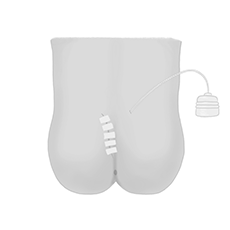
Bascom Cleft Lift
The Cleft Lift method is a method that fulfills the medical goals of treatment to the largest extent, and additionally leaves a good esthetic effect. Directly after the surgery, the patient can get up and get dressed on their own, may sit down and walk. There is no reason for the patient to stay at the Clinic for longer; immediately after the procedure and after receiving further guidelines, the patient may leave the Clinic and return home. Additionally, the Cleft Lift method can be used practically at any stage of the condition, from mild lesions in the subcutaneous tissue to the vast and open wounds and deformations with scars after previous failed surgeries. The modification of this method by Dr. Immerman allows for successful closure of wounds to the very edge of the rectum.

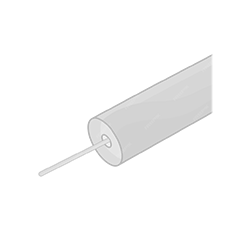
Sinus Laser Therapy
Sinus Laser Therapy (SiLaT) is a little invasive surgical technique involving the cleaning of the cyst wound to remove bacteria, hair, puss, and granulation tissue, which allows for tissue healing and, as a result, cyst cavity atresia. A big advantage of this method is the reduced expansiveness of the procedure, which is limited only to the cyst cavity and results in small, relatively easily healing wounds, that usually heal within 4 to 6 weeks. Due to the limited invasiveness the cosmetic effect is very good – the buttocks remain practically unchanged.
Is pilonidal cyst the source of your pain and discomfort?
Find out more about the condition and available treatments.
MoreFind out about the treatment costs
We know the importance of the recovery period as well as the patients’ sense of security and awareness that the recovery is going well as planned, which is why the follow-up visits throughout the entire postoperative healing process is included in the procedure price.
Prices